
Margarethe von Trotta
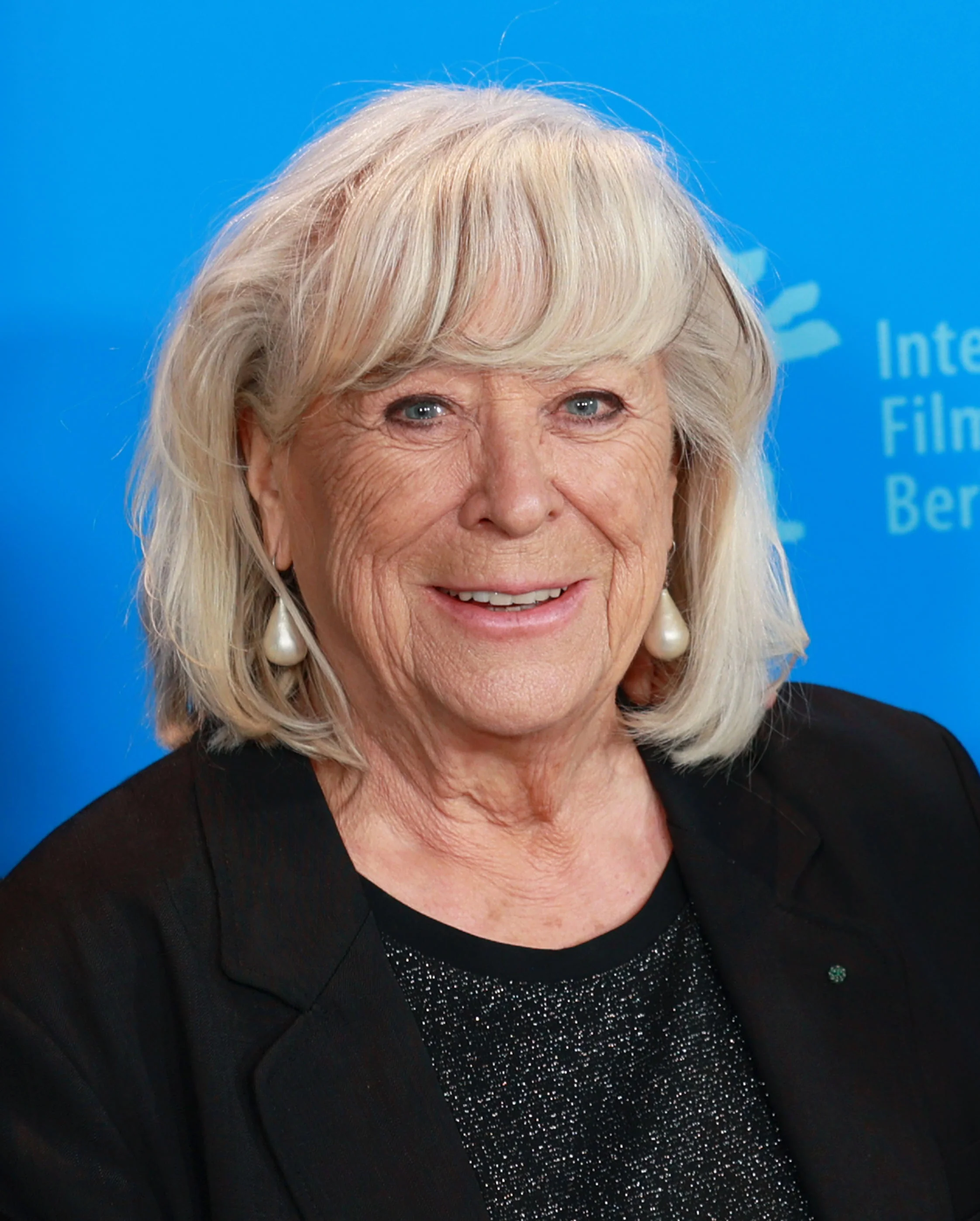
Image from Wikipedia
Image from Wikipedia
Margarethe von Trotta – The Great Chronicler of Female Life Plans in German Cinema
An Author Between Acting, Directing, and Political Passion
Margarethe von Trotta, born on February 21, 1942, in Berlin, is considered one of the defining personalities of German-language cinema. As an actress, director, and screenwriter, she has created a body of work over the decades that combines historical awareness, psychological precision, and an uncompromising female perspective. Her career spans from acting in the New German Cinema to internationally recognized directorial works that repeatedly place women at the center of the tension between history, power, and self-determination. ([hdg.de](https://www.hdg.de/lemo/biografie/margarethe-von-trotta.html?utm_source=openai))
Biography: From Post-War Germany to Modern Cinema
After the war, von Trotta initially grew up in Düsseldorf and sought a path into the arts early on. In the 1960s, she acted in theaters in Dinkelsbühl, Stuttgart, and Frankfurt and worked primarily in film and television beginning in 1969. Her entry into the film world occurred during a phase when West German cinema was reinventing itself; it was there that she found the artistic language that would later shape her own directorial craft. ([filmreference.com](https://www.filmreference.com/Directors-Ve-Y/von-Trotta-Margarethe.html?utm_source=openai))
Her early work as an actress brought her into collaboration with directors like Rainer Werner Fassbinder and Volker Schlöndorff, with whom she shared significant stations of the New German Cinema. These experiences sharpened her perspective on staging, role psychology, and political contexts. Her collaboration with Schlöndorff developed into not only a personal but also an artistic partnership, which in the 1970s led to one of her first major works. ([www1.wdr.de](https://www1.wdr.de/radio/wdr5/sendungen/erlebtegeschichten/margarethevontrotta100.html?utm_source=openai))
The Breakthrough: From Co-Writing to a Distinct Signature
An early key work was The Lost Honor of Katharina Blum, which she co-created with Volker Schlöndorff in 1975. The film, based on Heinrich Böll's novel, made von Trotta visible as a writer and co-director in political cinema. Crucial here was not only the choice of material but also the way social violence, media dynamics, and female vulnerability were woven together in a dense, precise dramaturgy. ([hdg.de](https://www.hdg.de/lemo/biografie/margarethe-von-trotta.html?utm_source=openai))
With The Second Awakening of Christa Klages, von Trotta realized her first independent film in 1977. This step marked the beginning of an autonomous directing career, in which she could develop her themes with greater formal freedom. Even here, what characterizes her cinema today becomes evident: the connection of political friction, emotional proximity, and a clear view of female agency. ([filmportal.de](https://www.filmportal.de/person/margarethe-von-trotta_29500573588449aa98d77f64e8f7fb37?utm_source=openai))
The Leaden Time and International Recognition
The international breakthrough came with The Leaden Time, a film about two sisters whose life paths diverge in the politically charged 1970s. The work won the Golden Lion in Venice and is regarded as a milestone of feminist cinema in Germany. In it, von Trotta links private biography, societal radicalization, and historical experience into an intense cinematic narrative that continues to resonate today. ([lazi-akademie.de](https://www.lazi-akademie.de/wiki/persoenlichkeiten/regisseure/margarethe-von-trotta/?utm_source=openai))
With Rosa Luxemburg, she continued this trajectory, focusing on one of the most prominent figures of the European labor movement. This was followed by films like The Promise, which was nominated for an Oscar as Germany's contribution, as well as later historical portraits and contemporary stories that often navigate the intersection of memory, identity, and political reality. In doing so, the director developed a distinctive style that perceives biography not as mere retelling but as a lively engagement with history. ([hdg.de](https://www.hdg.de/lemo/biografie/margarethe-von-trotta.html?utm_source=openai))
Subjects, Themes, and Artistic Development
Von Trotta's work frequently revolves around women who must assert themselves in male-dominated systems. Whether it's Rosa Luxemburg, Hildegard von Bingen, Hannah Arendt, or the characters from her contemporary dramas: she is interested in intellectual autonomy, moral conflicts, and the cost of resistance. This thematic consistency lends her filmography a rare internal coherence without ever appearing schematic. ([filmportal.de](https://www.filmportal.de/en/person/margarethe-von-trotta_efc121b06d506c3fe03053d50b3736f2?utm_source=openai))
In Vision – From the Life of Hildegard von Bingen and Hannah Arendt, she shifted the focus to historical female thinkers whose intellectual authority still shines to this day. Both films demonstrate how skillfully von Trotta handles research, dialogue, and scenic reduction. Her films rely on concentration rather than overload, on sharp observation rather than decorative historicization. ([filmportal.de](https://www.filmportal.de/en/person/margarethe-von-trotta_efc121b06d506c3fe03053d50b3736f2?utm_source=openai))
Current Projects and Public Presence
Even in the 2020s, von Trotta remains present. In 2024, her film Ingeborg Bachmann – Journey into the Desert continued to be the focus of screenings and discussions, including events and the awarding of an honorary doctorate in Florence. Simultaneously, she received the B3 Honorary Award for Lifetime Achievement in 2024, underscoring her ongoing significance to European cinema. ([ansa.it](https://www.ansa.it/nuova_europa/it/notizie/nazioni/germania/2024/01/22/von-trotta-per-me-meloni-non-e-una-donna-emancipata_b117a286-9c26-4871-aa3c-153218a648ef.html?utm_source=openai))
The public response to her work is also evident in film discussions and festivals that present her films in retrospectives and current contexts. Interviews from 2024 and 2025 highlight that von Trotta continues to be perceived as a central voice in political and feminist auteur cinema. Her work remains not only historically significant but also currently powerful in discussion. ([porrettacinema.com](https://porrettacinema.com/edizioni/xxiv-edizione-2025/fare-un-film-e-come-suonare-la-fisarmonica/?utm_source=openai))
Critical Reception and Cultural Influence
Critics early on recognized von Trotta as one of the most important directors of the New German Cinema. Her works have been honored at significant festivals and by renowned institutions, including Cannes, Venice, the European Film Academy, and various national cultural awards. This recognition points to an artistic authority that arises not from trendiness but from consistency. ([festival-cannes.com](https://www.festival-cannes.com/en/p/margarethe-von-trotta/?utm_source=openai))
Her influence extends far beyond individual films. Von Trotta has profoundly changed the image of female film direction in Germany and has shaped generations of viewers, critics, and filmmakers. Her cinema combines political analysis with emotional depth, demonstrating that great film art can be both precise, engaged, and empathetic. ([hdg.de](https://www.hdg.de/lemo/biografie/margarethe-von-trotta.html?utm_source=openai))
Her teaching and lecturing activities also strengthen this influence. As a professor and guest lecturer, she has shared her knowledge and contributed to the exchange on film history, narrative forms, and portrayals of women in cinema. Thus, she stands not only for a significant body of work but also for cultural transmission and intellectual presence. ([filmportal.de](https://www.filmportal.de/person/margarethe-von-trotta_29500573588449aa98d77f64e8f7fb37?utm_source=openai))
Conclusion: A Director Who Translates History into Personal Truths
Margarethe von Trotta remains compelling because she never tells political history abstractly but translates it into human destinies, relationships, and conflicts. Her films possess stance, clarity, and a rare sensitivity for the inner dynamics of strong female characters. Those who appreciate German auteur cinema, precise staging, and intellectual intensity should discover this work and take the opportunity to experience it on the big screen. ([filmportal.de](https://www.filmportal.de/en/person/margarethe-von-trotta_efc121b06d506c3fe03053d50b3736f2?utm_source=openai))
Official Channels of Margarethe von Trotta:
- Instagram: No official profile found
- Facebook: No official profile found
- YouTube: No official profile found
- Spotify: No official profile found
- TikTok: No official profile found
Sources:
- Wikipedia – Margarethe von Trotta
- Living Museum Online – Biography of Margarethe von Trotta
- filmportal.de – Margarethe von Trotta
- Cannes Film Festival – Margarethe von Trotta
- European Film Academy – Honouring Margarethe von Trotta
- WDR 5 – Experienced Stories with Margarethe von Trotta
- SRF – Margarethe von Trotta: Filmmaker
- Porretta Terme Cinema Festival – Interview 2025
- Film Comment – Interview: Margarethe von Trotta